
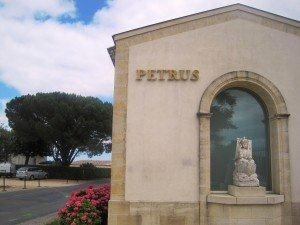
Learn everything about Petrus Pomerol with wine tasting notes and wine with food pairing tips. Learn all the best vintages, a history of the property and information on the vineyards and winemaking. If you want to read about other important, Bordeaux Chateaux: Links to all Bordeaux Wine Producer Profiles
Petrus History, Overview
The most expensive wine in all of Bordeaux had a very humble beginning. Compared to the top Bordeaux wines in the Medoc, it’s also a relatively new producer. Research shows the oldest records regarding the history of Petrus go back to the mid-1750s, making it one of the earliest established vineyards in Pomerol.
The first reference is for a transaction with Jacques Meyraud when he purchased some Pomerol vineyard property located at Gazin, from the Voisin family. This is interesting as well as prophetic because a few hundred years later, Chateau Gazin once again sold some of their best lands to Petrus.
Petrus, shares its name with its location, the hill of Petrus. However, there is a more historical side to the name of Petrus. During the times of the ancient Romans, the property was owned by a Roman named Petrus. The logo for the wine found its inspiration from the Greek version of St. Peter, “Petros.”
Petrus was later purchased by Antoine Arnaud in 1770. For more than a century, the Arnaud family maintained ownership of the property. At that time, the small chateau was widely known as Petrus (Arnaud).
By the mid to late 1800s, Petrus was starting to become well-known. It was considered the third-best wine in Pomerol, just after Vieux Chateau Certan and Trotanoy. The quality of Petrus and its wine began earning more accolades shortly after the phylloxera epidemic devastated most of Bordeaux.
Following the phylloxera attack, the vineyards of Petrus were replanted to mostly Merlot vines. From that time forward, Petrus was recognized as being a stunning wine with unique qualities.
In 1887, the linkage between Petrus and Gazin once again grew stronger when Gazin purchased vines from Petrus. By the turn of the century, Petrus was considered to be the best wine of Pomerol, selling for more money than any other wine from the appellation. Prices were equal to what the best Second Growths in the Medoc were selling for.
In 1917, M. Sabin-Douarre, who was employed as the former manager of Petrus purchased the property. How or why this took place is not known. It was Sabin-Douarre who created the Societe Civile du Chateau Pétrus. What happened next changed the history of Petrus, Pomerol, and Bordeaux.
Sabin-Douarre loved dining at the best restaurant in the Right Bank, l’Hotel Loubat. In 1923, Madame Loubat, the owner of the hotel began purchasing shares of Petrus from the Sabin-Douarre family. By 1929, she managed to purchase the remainder of the shares in Petrus, and Madame Loubat becomes the sole owner of Petrus.
The Loubat family knew the Bordeaux wine trade. They owned two small Pomerol properties at the end of the nineteenth century, Jeanlade and Chante-Caille, which morphed into Chateau Chateau Latour a’ Pomerol. Plus their brother was the Mayor of Libourne. With all that land, along with the best hotel and restaurant in Libourne, they were well connected.
During the 1940s, Madame Loubat entered into a contract with Jean-Pierre Moueix to handle the production and distribution of her wine. It was the combination of Loubat and Moueix that really gave Petrus the unequaled status it has today. They both knew Petrus produced the finest wine in the entire appellation.
To help prove it, they began charging prices as high as the top Bordeaux from the Medoc. It was agreed by the partnership of Loubat and Moueix that Petrus would never sell for a price lower than Cheval Blanc from that point forward. If Petrus costs that much, it must be worth it, right?
At Madame Loubat’s passing in 1961, since she had no children, her nephew, M. Lignac, and her niece, Mme Lily Lacoste each inherited 50% of Petrus.
However, she also bequeathed a share of Petrus to Jean Pierre Moueix, allowing him to continue helping to run, promote and manage Petrus, as well as sell the wine all over the world.
Following the death of Madame Loubat, Jean Pierre Moueix brought in the famed Professor, Emile Peynaud to help with the winemaking at Petrus. That arrangement lasted only a few years, due to the busy schedule of Professor Peynaud.
In 1964, M. Lignac sold his portion of Petrus to Jean-Pierre Moueix. 1964 saw another important change at Petrus. In 1964, Jean Claude Berrouet joined the team at Petrus where he remained until 2008, when his son, Olivier Berrouet took over from him. Jean Claude Berrouet was responsible for more than Petrus, he was in charge of making the wine for the entire Moueix portfolio!
Petrus The Modern Age
In 1969, Jean-François Moueix, the oldest son of Jean-Pierre, purchased the remaining shares from Mme Lily Lacoste. That same year, he arranged to purchase 5 hectares of some of the best vineyards owned by Gazin. This was one of the great buys in all of Pomerol, as it allowed Petrus to vastly increase the size of their vineyards.
Jean Pierre Moueix started out as the owner of Chateau Fonroque in St. Emilion. Discovering negociant’s were not interested in his wine, he opened his own negociant company for the purpose of helping to sell Fonroque. Out of need, the largest and most important negociant firm for Pomerol and the Right Bank was born.
Today, the company portfolio includes ownership in La Fleur Petrus, Trotanoy, Hosanna, Latour-Pomerol, Lagrange and La Grave in Pomerol as well as Bel-Air Monange and others in St. Emilion. In addition, Moueix is responsible for acting as a negociant for a myriad of Pomerol chateaux as well as properties in Saint Emilion.
In 1978, Jean Pierre Moueix finally took a breather and began to relax from his whirlwind life. At that time, the young, charming and always gracious Christian Moueix took on more responsibility at Petrus as well as at the negociant arm of the company.
At that point in time, Petrus was the most expensive in the entire Right Bank. It was selling for the same amount of money as the famous First Growths. This was quite an accomplishment. Keep in mind, Château Lafleur was selling for about the price of a 4th or 5th growth. Pomerol was not the popular appellation it is today.
While Petrus had fame prior to the accession of Robert Parker, most of that fame was focused in London, Belgium, France, and a few other markets that had an interest in purchasing Petrus. In America, Petrus was not that well-known except to a few experienced Bordeaux tasters prior to the 1960s.
President John F Kennedy declared he was a fan of Petrus, which instantly gave the wine a much-needed boost to its reputation in America. At that point, wealthy wine collectors wanted to taste the wine President Kennedy and his stylish wife, Jackie Kennedy were so fond of. While that helped establish Petrus in America, it needed more attention to become the legendary wine it is today. Enter Robert Parker.
The Explosion of Petrus in the Marketplace!
It can be argued that in some ways, Pomerol and Petrus made Robert Parker and Robert Parker helped make Pomerol and Petrus as well. This turn of events took place with the 1982 vintage.
There is no denying the wines of Pomerol were capable of being extraordinary prior to Robert Parker, but his ceaseless praise and high scores catapulted Pomerol into the world spotlight.
The old saying about rising tides raising all boats certainly works here. From that point forward, the entire Pomerol appellation started producing wines worthy of its terroir, with prices to match.
Until 1982, while Petrus was not cheap, it was not that much money when compared to the other top wines of Bordeaux. It sold for about the same price as the First Growths in those days.
If you go back just a bit further to the 1970s, Petrus sold for less than the First Growths. And if you really want to take a look back to the middle of the 19th century, the vineyards of Petrus were not even thought of as being worthy of making great wine! It was considered a luncheon claret, not fit for the dinner table! How things have changed in just a short period of time.
Petrus Today
Jean-Francois Moueix and his children are the owners of Petrus today. When Jean-Pierre Moueix passed away in 2003, he was just shy of his 90th birthday. At that point, his oldest son Jean-François Moueix took charge of Petrus, while, Christian Moueix, his other son managed the production. In 2005 Petrus enjoyed a much-needed renovation and modernization of their cellars and vat rooms.
The next chapter for Petrus opened in 2008 when the 33-year-old Olivier Berrouet replaced his father as the winemaker and director at Petrus.
Olivier Berrouet brought new ideas for the wine of Petrus. The wines seem fuller, fresher and offer more lush, ripe qualities as well as higher alcohol levels, depending on the vintage. It’s always a pleasure visiting with the father and son during the April tastings at Petrus.
The next major change for Petrus took place in 2014. Previously, Petrus was sold and marketed exclusively by Ets. Moueix. In 2014, everything changed. Petrus was now sold to a select group of negociants as well as to Ets. Moueix. For the first time, Petrus was no longer sold on the same strictly allocated basis. However, Petrus is still sold on a market-exclusive basis.
In about 2016, Petrus sold a 20% share in the vineyard for 200 Million Euros to Alejandro Santo Domingo, a wealthy Colombian investor. That means Petrus is worth close to 1.5 Billion Dollars today! Alejandro Santo Domingo is also a major shareholder in Anheuser-Busch InBev, the world’s largest beer producer. The deal was kept quiet for up to 2 years, making it one of the best-kept secrets in Bordeaux.
Another possibility is that Petrus could one day become available on the Place de Bordeaux in limited quantities for part of its production. Interestingly, this development could perhaps lead to even more demand and higher prices for the most expensive wine of Bordeaux. However, it is not the goal of Petrus to sell for the most money possible.
Prices directly from the chateau are fair, for its quality and demand. The hope is that while the wine is expensive, people can afford to drink it on special occasions. The majority of the price increases take place in the secondary marketplace.
Petrus, Vineyards, Terroir, Grapes, Winemaking
The 11.5 hectare Petrus vineyard is planted to 100% Merlot. During the 1990s and into the 2000s, about 1/2 a hectare was reserved for Cabernet Franc, making the vineyard plantings about 95% Merlot and 5% Cabernet Franc. However, the Cabernet Franc was not used in most vintages.
In fact, since, 1982, the variety has only been included every third or fourth year. Today, all the Cabernet Franc vines have been remove and replaced with Merlot. This is quite different than what Petrus was planted to in the 1960s and 1950s, and perhaps before that. In those days, Petrus was planted closer to 80% Merlot and 20% Cabernet Franc.
Divided into 12 separate parcels, the Petrus vineyard is situated at the top of the highest elevation on the Pomerol plateau at 40 meters. This offers natural drainage. More importantly, the vineyards of Petrus have soil and terroir unique to the estate. The clay in the Petrus vineyard is what makes the wine so special and unique.
In fact, this type of clay does not exist in any other wine-producing region in the world! Something else to consider that is only found at Petrus, for land devoted to the production of wine, Petrus is the only hill made entirely from clay. This is because clay usually erodes with time and falls to the bottom of the slopes, which is not the case with the soils of Petrus.
The Blue Clay of Petrus
What makes the terroir of Petrus so unique? The clay soils of Petrus are at least 40 million years old to start. The thick gravel on the surrounding plateau is only 1 million years old. There are two layers of clay at Petrus. The topsoil of dark clay is 60 to 80 centimeters thick.
But it’s the unique subsoil that is not found in any other vineyard. The soil is packed with very, dense, deep, dark, blue clay. The clay is so hard, that the roots cannot penetrate. What happens is the vines quickly grow sideways to find nutrition as the vines do not go deeper than 60 to 80 centimeters. The clay is smectite.
When this type of clay absorbs water, it becomes impermeable. The water molecules are able to penetrate the interlayer, molecular spaces of the clay.
When the dry summer months arrive, the vines are still able to feed on the much-needed moisture. The clue clay of Petrus creates grapes with the highest level of tannins in Pomerol and for most of Bordeaux, while at the same time, creates tannins that are also among the softest in texture.

The majority of the patch of blue clay on the Pomerol plateau is about 20 hectares in total. Petrus is unique as its entire 11.5-hectare vineyard is right on top of the clay. Neighboring vineyards only have a portion of blue clay in their soil.
On average, the vines of Petrus are 40 years of age. The Petrus vineyards are replanted at a pace that allows work to be conducted on a portion of one hectare every 7 to 9 years. While the average age is kept at 40 years, the oldest vines of Petrus were planted in 1952.
The vineyard of Petrus is planted to a vine density that is about 6,600 vines per hectare for the oldest parcels. The younger parcels are planted at a higher vine density which is close to 7,000 vines per hectare.
In 1985, Petrus began their own cloning program with the purpose of protecting and propagating their own vines when replanting.
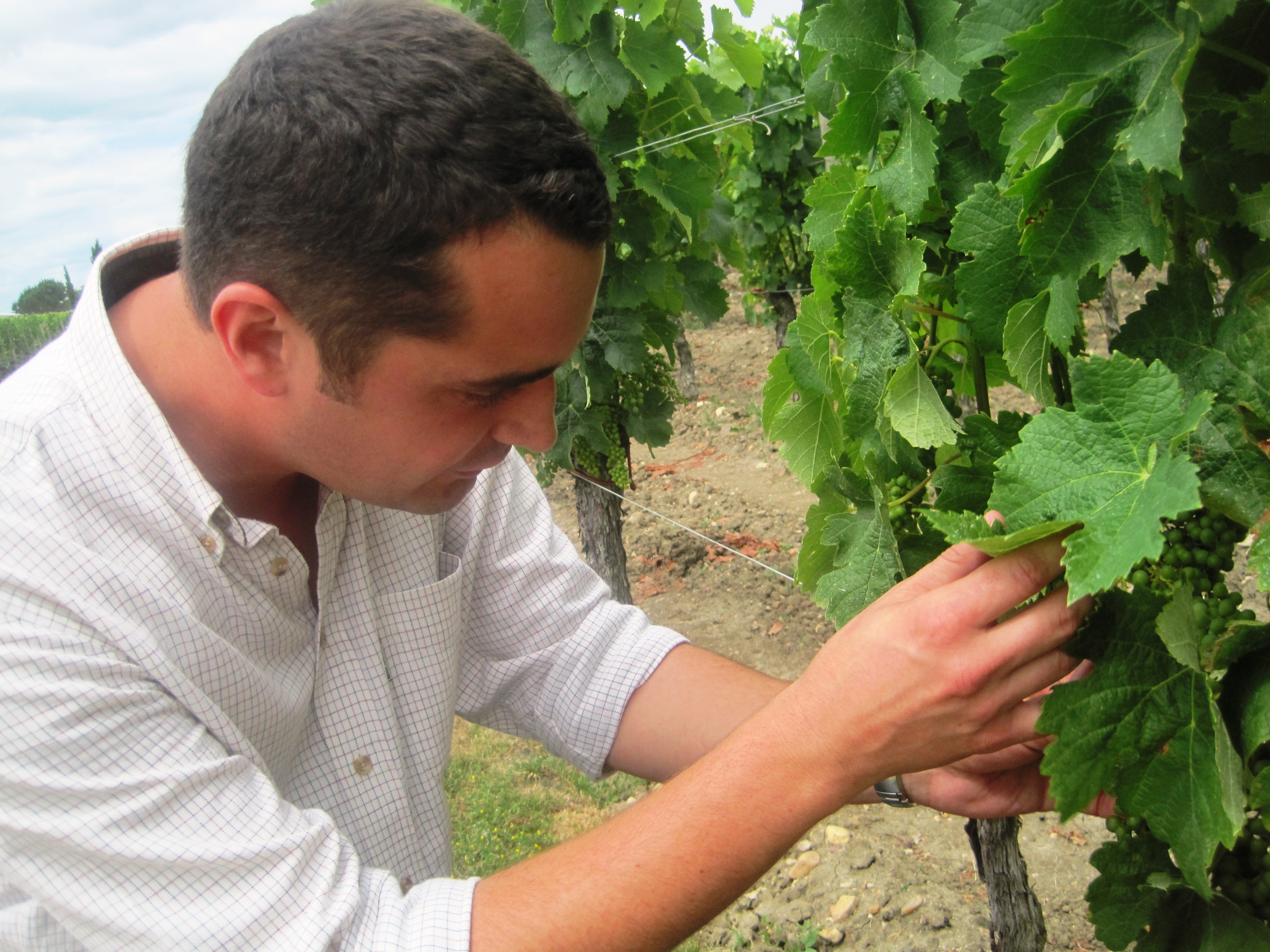
In the vineyards, they do not green harvest, preferring to clip the bunches to reduce the yields. Petrus was one of the earliest vineyards to eschew the use of chemical fertilizers, preferring instead to plant weeds to help dry our the soil, during the wet, winter months. Those weeds are later plowed into the soil.
Petrus, Winemaking, Vinification
During the harvest, the berries are picked one at a time. The fruit is always 100% destemmed. Starting with the 2009 vintage, an optical sorter replaced some of the hand sortings.
The grapes are gently crushed before vinification which takes place in a total of 12 traditional, temperature-controlled, concrete vats. The vats range in size from 50 hectoliters, up to 130 hectoliters. The 12 vats allow for a parcel by parcel vinification.
Today, the practice is for a short pre-fermentation maceration of one or two days. Previously, the maceration lasted as long as 15 to 21 days. Extraction is done by pump-overs. 50% of the juice is pumped over in the morning. The remaining juice receives a pump over later that night. After the alcoholic fermentation is completed, the juice goes through malolactic fermentation in vats.
Once the malolactic fermentation is finished, the vats deemed worthy of being bottled as Petrus are blended and placed in an average of 50% new, French oak barrels for 18-20 months. The barrels are steamed before the aging process to avoid the need for topping off during the aging process.
At Petrus, large amounts of new oak have never been part of the barrel aging process, with the exception of a short, experimental period during the 1980s. Prior to the 1960s, very little new oak was used for the aging process. During the 1960s, perhaps 10-15% of the wine was aged in new oak.
However, for a few vintages during the 1980s, the wine was aged in 100% new, French oak for at least part of the production. It was quickly determined that was too much for the wine. If press wine is added, it’s only added into the wine during the final blending.
There is no second wine at Petrus. Those lots which are rejected are sold off as generic Pomerol. And yes, where the declassified juice of Petrus ends up is one of the best-kept secrets in all of Bordeaux.
It’s interesting to note that increased selection over the years has truly reduced the quantity of wine at Petrus. For example, during the 1970s the average yields were close to 70 hectoliters per hectare. Today, the production is almost half of what it was previously with average yields of 40 hectoliters per hectare. The average production of Petrus is 2,500 cases per year.
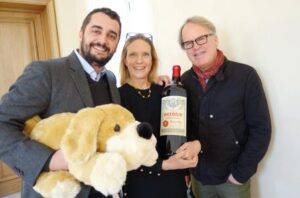
On to more important Petrus news. My ridiculously cute, yellow lab, Hercules, which some of you know from his antics on Facebook, or in the photos on this website, was officially inducted into the Petrus zoo!
What is the Petrus zoo? I am glad you asked. Petrus has from time to time had an official mascot, which has been a different stuffed animal ranging from rabbits to pigs and of course dogs.
I was more than honored that a resemblance of Hercules was added to the Petrus menagerie by Olivier Berrouet and Elisabeth Jaubert, with James Suckling as the official witness for the induction ceremony. Congratulatory bones or other treats and bottles of Petrus can be sent to me for Hercules and I will see he gets them. I am more than honored that Herky is the official mascot for Petrus in the sublime 2015 vintage!
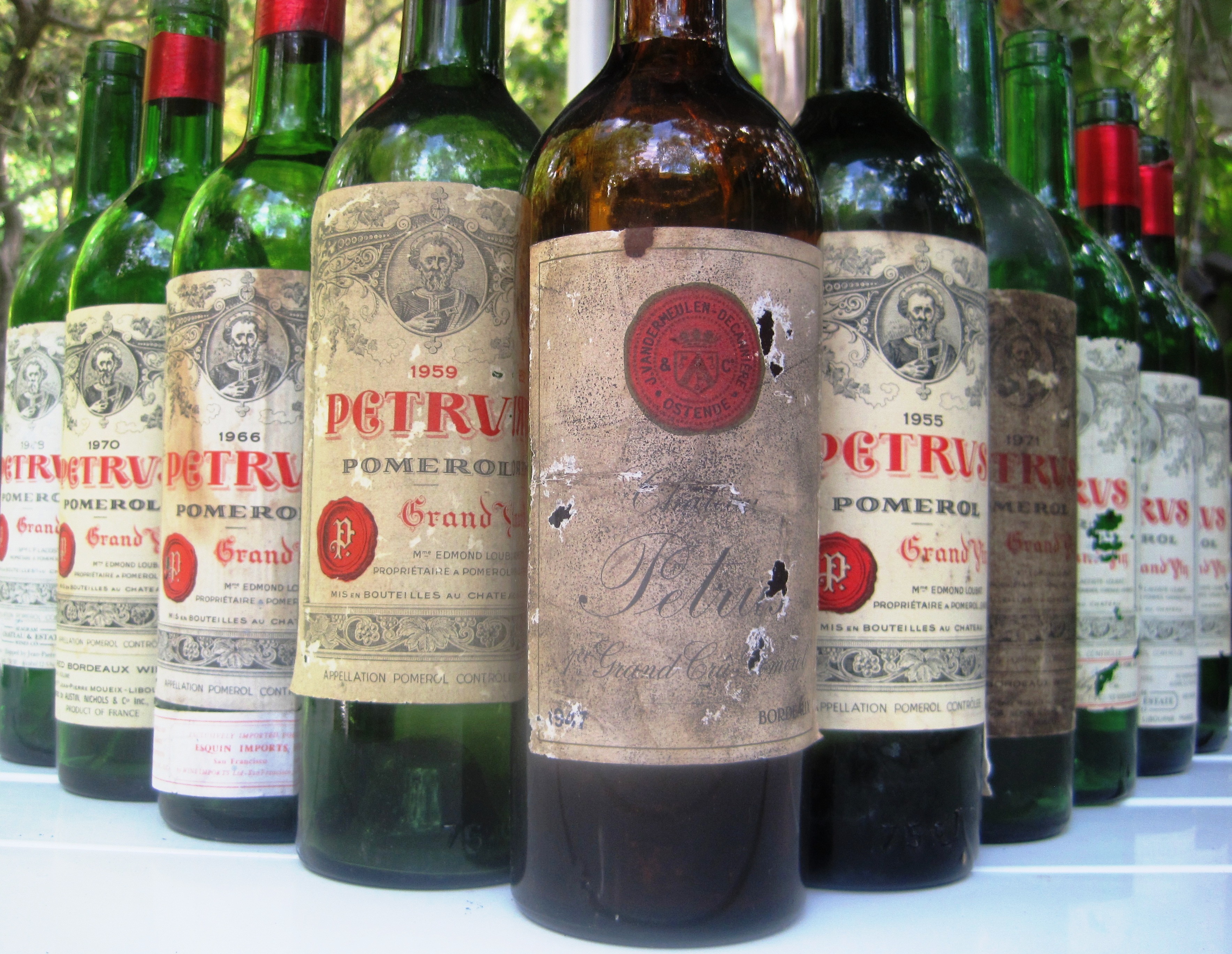
The best vintages of Petrus are: 2023, 2022, 2021, 2020, 2019, 2018, 2017, 2016, 2015, 2014, 2012, 2010, 2009, 2008, 2006, 2005, 2001, 2000, 1998, 1995, 1990, 1989, 1982, 1975, 1971, 1970, 1964, 1961, 1959, 1955, 1953, 1950, 1949, 1948, 1947, 1945, 1929, 1928 and 1921.
If you are seeking to purchase older bottles of Petrus, “Buyer Beware” is the best advice you will ever receive. Petrus is the most counterfeited wine in the world. Very few large formats were ever produced. Skip those. And the amount of authentic pre-1975 bottles of Petrus are almost non-existent. You should buy those wines from only verifiable, trusted sources.
Character and style of Petrus
The style of Petrus is unique. It can be the most aromatically complex wine of Pomerol, filled with spice, coffee, cinnamon, chocolate, plums, dark cherries, truffles, wet earth, and fresh flowers. In the best vintages, the texture is otherworldly. It has a richness and viscosity, as well as silk and velvet, feel that no other Bordeaux wine can offer.
Petrus requires time to develop. Even though it’s produced from 100% Merlot, Petrus is one of the longest-lived Bordeaux wines. The best vintages of Petrus demand 20-30 years before they become fully mature and begin displaying their true essence and showing the reason why extremely wealthy wine lovers pay thousands of dollars for a single bottle of Petrus.
When to Drink Petrus, Anticipated Maturity, Decanting Time
Petrus is much better with at least 15-20 or more years of aging in good vintages. Young vintages can be decanted for 2-4 hours or more. This allows the wine to soften and open its perfume. Older vintages might need very little decanting, just enough to remove the sediment. Petrus offers its best drinking and should reach peak maturity between 15-50 years of age after the vintage.
Serving Petrus with Wine, Food, Pairing Tips
Petrus is best served at 15.5 degrees Celsius, 60 degrees Fahrenheit. The cool, almost cellar temperature gives the wine more freshness and lift.
Petrus is best paired with all types of classic meat dishes, veal, pork, beef, lamb, duck, game, roast chicken, roasted, braised, and grilled dishes. Petrus is also good when matched with Asian dishes, hearty fish courses like tuna, mushrooms, and pasta.
www.moueix.com
Pétrus Wine Tasting Notes
38 Vintages 632,433 Views Sort by Vintage-Rating
|
2025
Pétrus (Pomerol)
Strong scents of violets kick off the aromatic profile before discovering the wealth of chocolate, black cherries, black raspberries, spice, and truffles in the nose. The fireworks, however, are on the palate. Seductive, hedonistic, creamy, intense, and also vibrant, it is impossible to to be moved by the depth, concentration, and weightless energy in the fruits. The silky, freshness continues allowing you to enjoy the long, velvety finish that sticks with you for over 60 seconds. The tricky part to create the 2025 was finding the perfect dates to harvest for their Merlot on clay. Harvesting took place for the young vines August 28. September 5 - September 11. 14.5 ABV%, 3.55 pH. Yields were only 20 hectoliters per hectare. The wine is produced from 100% Merlot. Drink from 2030-2075. 98-100 Pts 1,376 Views Tasted May 7, 2026 |
|
2024
Pétrus (Pomerol)
Chocolate and flowers initially grab your attention before you discover the plums, cherries, raspberries, and spice in the perfume. On the palate, the wine is texturally refined, fresh, soft, silky, and vibrant. The delicate finish gracefully delivers its core of cocoa-topped black raspberries, plums, chocolate, and bright cherries. The finish leans toward the bright, fresh, and energetic side, with a touch of mint on the backend. With their deep, blue clay, they harvested September 24 - October 1. 13.3 ABV%, 3.65 pH. Yields were only 28 hectoliters per hectare. Drink from 2030-2050. 95-97 Pts 2,221 Views Tasted Apr 29, 2025 |
|
2023
Pétrus (Pomerol)
With its distinctive aromatic profile, you find a vivid display of flowers, cherries, black raspberries, orange rind, and chocolate. However, it is the palate that steals the show with its opulent, lush, silky-textural profile, which makes the perfect backdrop for the seamless display of ripe plums, cherries, spice box, chocolate, and citrus that you encounter from start to finish. There is a serious depth of flavor, that is not only concentrated, but fresh, so you enjoy layers of seamless fruits, but, also zippy acidity, providing lift and length. The velvety finish, stays with you for at least 60 seconds. Drink from 2030-2070. 1,019 Views Tasted May 7, 2026Flowers, chocolate, dried raspberries, cherries, spice, citrus, and a background note of truffle create the aromatic profile. On the palate, it is interesting to note the viscosity, coupled with freshness, length, and purity. There is an elegance that allows the purity in the berries to already express themselves. The velvet-textured finish, with its spices, chocolate, plums, and cherries stays with you for at least 60 seconds. The wine is perfectly balanced, seamless, and well, prefect. The success of the vintage is due in large part to waiting for the right moment to harvest, as well as taking their time to pick. With their deep, blue clay, they harvested September 11 - September 20, 14.5 ABV%, 3.65 pH. It is interesting to note that even though the wine has 30% more tannins, the wine feels soft, and silky. Drink from 2030-2065. 98-100 Pts. 4,202 Views Tasted May 4, 2024 |
|
2022
Pétrus (Pomerol)
Dried flowers, violets, black and blue fruits, Asian spices, truffle, smoke, and licorice permeate the aromatic profile. On the palate, the wine is seductive, sensuous, long, rich, and sexy. The purity of the fruit is striking, with its perfect balance of power and elegance. Once the fruit touches your palate, the wine unfolds in all four directions, with increasing warmth and intensity. The finish, which crosses the 60-second mark with ease, leaves you with layers of truffle-accented black cherries, plums, blueberries, and spice. The wine is perfectly balanced, seamless, and well, perfect. Drink from 2030-2070. 4,230 Views Tasted May 5, 2025Violets, lilacs, roses and jasmine are in full-force before finding all the red, and black pit fruits. On the palate, it is the striking vibrancy, and intense concentration that is the story here. The purity in the fruits, depth of flavor, chalky tannins and endless waves of black and blue fruit stay put on your palate for at least 60 seconds. This is a unique style of Petrus which blends intensity and vibrancy with a purity of fruit and touches of chocolate . There is nothing out of place. The wine is perfectly balanced, seamless, and well, prefect. The success of the vintage is due in large part to waiting for the right moment to pick. With their deep, blue clay, they harvested September 1 - September 7, 14.5 ABV%, 3.63 pH. Yields were 20 hectoliters per hectare. Drink from 2030-2065. 98-100 Pts. 5,732 Views Tasted May 8, 2023 |
|
2021
Pétrus (Pomerol)
Quite floral in nature, initially you dig into the lilacs, violets, truffles, chocolate, plums, cherries, mint leaf, spice, strawberry and black raspberries on the complex nose. This is an elegant, refined Petrus focused on its purity, balance, length and energy, instead of concentration. Reserved, the wine builds slowly on the mid-palate, starting off discreetly, finishing with its red fruits and a touch of salinity in the endnote. Its length sneaks up on you. The success of the vintage is due in large part to waiting for the right moment to pick, which in 2021, with their deep, blue clay, made it necessary to harvest from September 30 - October 9. 13.3% ABV, pH 3.55. Yields are 33 hectoliters per hectare. Drink from 2027-2055. 95-97 5,082 Views Tasted May 20, 2022 |
|
2018
Pétrus (Pomerol)
The color of the ancient and priceless Sunrise Ruby replete with ornate reflections of royal purple, this wine moves you. Its perfume begins with a lightning bolt of flowers, cocoa, truffle, licorice, black cherry and even blacker plums. On the palate, the wine is extraordinarily concentrated. The fruit tastes and feels darker than usual with more command, opulence, depth and length. The flavors are expansive, moving from plummy mid-palate to a spicy, licorice, dark chocolate, mint and kirschwasser finish that remains with you for well over 60 seconds! The wine reached 14.5% ABV with a pH of 3.7. The harvest took place September 13-27 and the wine is aging in 50% new, French oak barrels. 98-100 Pts 9,823 Views Tasted Apr 19, 2019 |
|
2017
Pétrus (Pomerol)
Truffle, Cuban cigar wrapper, exotic spice, licorice and lilacs create the complex set of aromatics. Powerful yet poised, rich and fresh, dense and velvety, the finish remains with you for close to 60 seconds. The end notes deliver spicy, silky, creamy tannins, ripe, dark plums and darker red fruits that fill the palate. The wine is structured with all the right stuff to age for decades. Produced from 100% Merlot, the harvest started September 8, finishing September 28. The wine reached 14.5% ABV with a pH of 3.6 . This is the wine of the vintage. 8,775 Views Tasted Apr 26, 2018 |
|
2016
Pétrus (Pomerol)
Deep ruby in color, here you find truffle, dark chocolate, coffee bean, cigar box, black cherry and dark plums. Full bodied, elegant, velvety, opulent, sweet and fresh, the presence on the palate is silk and velvet in the texture with purity and sweetness to the fruits. The wine is hedonistic as well as intellectual, and a little bit firm. There is serious aging potential. The wine really sticks with you, for over 60 seconds in the finish. Give this at least 15 or more years in the cellar to develop before popping a cork. 11,880 Views Tasted Sep 21, 2019Roses, lilacs, Cuban cigar wrapper, dark plums and wild cherries permeate the bouquet. There is a combination of structure and elegance with silky tannins, intensity and concentration. Not that any Petrus is for early drinking, but this one will need a long time to show its array of complexities. Finesse, intricacy and harmony with decadent textures and a beautiful purity of fruit, this wine was produced from 100% Merlot. The harvest started September 28, finishing October 11. The wine reached 14.5% ABV with a pH of 3.5. 13,707 Views Tasted Apr 29, 2017 |
|
2015
Pétrus (Pomerol)
Violets, lilies and the wrapper of a fine, Cuban cigar appear without the asking and fuse expertly with black and blue fruit, smoke, incense and damp earth. On the palate, this wine is pure eroticism in texture, royal, arousing yet discreet and with an exotic, cherry liqueur, dark chocolate and licorice presence in the finish. There is length, intensity and a deep, decadent endnote that must last at least 60 seconds. Produced from 100% Merlot, the wine reached 14.6% with pH 3.7. The harvest started September 14, finishing September 29. What made this vintage extraordinary for Petrus was the extended hang time, which for most years is close to 45 days. But with the 2015 vintage, the hang time during the harvest took between 50 and 60 days. 99 - 100 Pts 14,695 Views Tasted Apr 27, 2016 |
|
2014
Pétrus (Pomerol)
The color of red gems with the quintessence of black raspberry, tiny French lilies, cocoa bean, pink peppercorn and charcoal, this wine is all about the finesse and sublime purity found in the fruit. The silky, sweet cherries in the end note remained etched in the finish. Produced from 100% Merlot, the wine reached 14.5% with pH 3.6. 95-96 Pts 9,124 Views Tasted Apr 24, 2015 |
|
2013
Pétrus (Pomerol)
The color of garnet, the wine offers a distinctive floral note with cherry liqueur, Asian spice, smoke, kirsch and fresh raspberries. Silky, elegant, supple and soft, this gentle vintage of Petrus is all about the purity of the fruit and fine-grained tannins. Produced from yields of 26 hectoliters per hectare, according to Olivier Berrouet, this vintage reminds him of 1988. 93-95 Pts 7,979 Views Tasted Apr 26, 2014 |
|
2012
Pétrus (Pomerol)
Much fleshier, deeper, darker, richer and with more minerality than when tasted just few months ago, the fruit has morphed to darker plums with opulent, decadent textures. Note to self, find friends that can afford to buy this beauty! 97/98 Pts 12,474 Views Tasted Jul 22, 20132012 marks the debut of the new cellars at Petrus with its 12 new cement vats. From yields of just 30 hectoliters per hectare, intense floral aromas with truffle, dark chocolate, licorice, spice, black cherries, blackberry and plum ABV. The wine is sweet, supple, concentrated and long with a beautiful sense of purity of fruit in the long finish. On the palate, the wine moves from kirsch liqueur to black plums. This vintage of Petrus focuses on purity of fruit with elegant, supple and opulent textures. The property began harvesting September 24, finishing October 8. 96-98 Pts 9,189 Views Tasted Apr 26, 2013 |
|
2011
Pétrus (Pomerol)
From 100% Merlot, the wine reached 13.5% ABV. Floral, boysenberry, peppermint, truffle, cocoa, coffee, spice and kirsch. Soft, pure red cherry with refined tannins and a plush, silky, long finish. Lacking the depth and concentration found in 2009 or 2010, there is ample acidity, structure, freshness, balance, length and a strong sense of purity. 95-96 Pts 8,033 Views Tasted Apr 21, 2012 |
|
2010
Pétrus (Pomerol)
At close to 14% ABV, (which is high for Petrus) the wine offers intense aromas of chocolate, truffle, minerality, earth, blackberry essence, plum liqueur, blueberry, flowers and black cherry liqueur with kirsch accents. Offering a beautiful sensation of lift and purity along with decadent textures, polished, dark berries, plums, bitter chocolate, fresh cherries on the palate. Seamless and expansive, everything was balanced and in harmony. The finish remains in your mouth for one full minute! There were 3, polished spit buckets in the room. This was Petrus. I did the right thing and put that wine right where it belonged. 19,357 Views Tasted Sep 30, 2013Petrus - This deep ruby tinted wine opens with complex aromatics of flowers, black raspberry, jammy plums and chocolate. Powerful, structured, intense, deep, structured and, mouth coating with densely packed ripe, racy plums. Elegance, sensuality and refined power ending with a complex finish that remains on your palate for close to one full minute that morphs from dark spicy fruit to red berries. Petrus fanatics will be forced to pay even more money for the 2010 as the estate produced 10% less wine in this vintage they did in 2009. The wine will be aged in 50% new oak for 18-20 months. 97-100 Pts 14,393 Views Tasted Apr 21, 2011 |
|
2009
Pétrus (Pomerol)
2009 Petrus is deep ruby with purple tints at the rim of the glass. Spice, plums, blackberries, and blueberries, with cinnamon, clay, mint, mocha, and kirsch, make up the complex perfume. From a blend of 98% Merlot and 2% Cabernet Franc, the wine is rich, concentrated and packed with surreal levels of glycerin. This viscous, thrilling treat provides a seamless, intensely pure finish of spice, jammy cherries, and chocolate. 98-100 Pts 13,138 Views Tasted Aug 27, 2010 |
|
2008
Pétrus (Pomerol)
It has been about 5 years since I lasted this and time has been good to this wine. Not quite as concentrated as I had hoped, still, the spring flowers, violets, earth, spice, licorice, plum, and cherry nose get your attention. Medium/full-bodied, elegant, soft, refined, and vibrant, the ripe, sweet plums, cherries, dark cocoa, and earthy characteristics shine through in the finish. This is only now coming alive, so it should improve and offer pleasure for at least another 2 decades. 3,721 Views Tasted Oct 29, 2021Really tight at the moment, and clearly not showing all it has to offer. Still, it's impossible not to get the richness, luxurious textures, power, concentration and opulence. The fruit shows a beautiful sense of purity, elegance and weight, while also being light on its feet. I'm sure, another 10-15 years will be needed before it comes close to peak. 6,480 Views Tasted Apr 16, 201708 Château Petrus is deep ruby. Violets, spice, perfectly ripe black fruit, truffles, mocha, and rich chocolate compose a perfume that deserves to be bottled. This amazingly pure wine tastes like liquor of Pomerol, filling your senses with perfectly polished, rich, silky, thick and balanced juice. The seamless finish lingers in the mouth for close to one minute. 98-100 Pts 12,301 Views Tasted Jul 30, 2009 |
|
2001
Pétrus (Pomerol)
As I often say, it's the texture you notice most. And there is no exception here. Luscious, opulent and akin to exotic silks and velvet, the fruits are ripe, sweet and fresh. The truffles, dark cocoa, thyme and myriad of plums with black cherry accents remains on your palate, while the wine expands. Still young, but in a good place, if you are lucky enough, or rich enough to have a few bottles stashed away, you can drink them, or wait for further nuances to make their way into the wine. 6,815 Views Tasted Jul 7, 2017 |
|
2000
Pétrus (Pomerol)
Oh My God! (If I wanted brevity, I could have left it there, as that truly said it all.) This was the real deal. The non-stop perfume explosion reminded me of what Hendrix sounded like at Woodstock! This was thrilling! Chocolate, black raspberry, assorted fresh flowers, herbs, spices, truffles, earth, plums and black cherry could have been enjoyed from across the room. This powerful, concentrated, deep wine filled every nook and cranny of your taste receptors with endless waves of decadent, flawlessly ripe fruit. Purity, velvet, silk, balance and length are the hallmarks of this wine. If I never see it again, (Like Bogart and Bergman, who will always have Paris) I will always remember tasting that bottle. 100 Pts 19,222 Views Tasted Mar 5, 2010 |
|
1998
Pétrus (Pomerol)
Could this be a candidate for perfection with more aging? Why not? There is so much to like here; it is hard not to be captivated by its intensity, purity, depth, opulence, and velvet-textured tannins. The non-stop layers of perfectly ripe, black plums and cherries with loads of chocolate to finish, let you know, this is a very special wine. Drink from 2026-2060. 1,025 Views Tasted Jan 7, 2026It is out of my price range, but if you have the coin or friends with the bank, if you are seeking a Petrus with some age that is really hitting all the right notes, 1998 is the wine to buy. The wine is loaded from start to finish with chocolate-coated cherries, truffles, flowers, plums, smoke, touches of blue fruits, and a mild touch of menthol. Full-bodied, rich, opulent, silky, and fresh, the wine is polished, refined, intense, and palate-coating with purity and length. Drink from 2023-2050. 5,187 Views Tasted Sep 1, 2023Having not had the pleasure of this wine until recently, I managed to taste it twice within 90 days. Although this bottle was beautiful, it was just a little less interesting than the previous bottle. Still, there was a gorgeous, silky, opulent, sexy nature that came along with loads of energetic, pure, sweet, ripe, fresh cherries, plums, cocoa and a dash of herbs. Rich, full and long, this is also youthful. I am sure another 5 years will add even more here as it felt like the wine was still holding back its full potential. 7,198 Views Tasted Feb 4, 2020Talk about bottled decadence. This sexed-up, sultry, silky, velvet drenched, opulent wine is breath-taking. Deep, luscious and multi-layered with perfectly ripe fruits, the finish is breathtaking, due to its flamboyant nature. Still young, but turning the corner, clearly the best years for this wine lay in the future. 5,085 Views Tasted Aug 22, 2019 |
|
1993
Pétrus (Pomerol)
Slighty dry and rustic, this light wine is better on the nose with its developed cherry, olive and leafy scents than on the red berry palate, which lacks the complexity and textures expected in Petrus. This is a fine Pomerol, but for Petrus, I was hoping for me. 8,106 Views Tasted May 29, 2014 |
|
1992
Pétrus (Pomerol)
The nose is earthy, with loads of mint, cedar, tobacco, smoke, pepper, leafy herbs, and spicy plums. Medium-bodied, rustic, chalky cherries, cocoa, and dust is what you find in the finish. Considering the vintage, this is much better than expected. Drink from 2024-2030. 2,915 Views Tasted Feb 26, 2024Very light in color and in concentration. Texturally, the wine was soft, refined and the red fruits were still fresh. But there was not a lot left in the tank here. 5,861 Views Tasted Sep 18, 2020 |
|
1990
Pétrus (Pomerol)
Dried roses, tobacco, red cherries, plums, blue fruits, spice, smoke truffles, and chocolate create the attention-seeking perfume. The palate is exotic, supple, and sensuous, with layers of ripe, spicy plums, cherries, smoke, and chocolate. The wine is long, opulent, rich,and most importantly, unique in character. It’s also still young and vibrant. Drink from 2024-2050. 2,225 Views Tasted Feb 26, 2024The depth of color, flavor, intensity and levels of richness hit all the right notes. Here you find layers of black plums, blacker cherries, smoke, truffle, dark, bitter chocolate, earth, and flowers that arrive in velvety-textured waves that coat your palate with staying power. The sensuous over 50-second finish seals the deals with its velvet textures. 3,493 Views Tasted Dec 6, 2021Flowers, smoke, earth, powdered chocolate, black cherry, plum and truffle pop in the nose. Full-bodied, opulent, concentrated and complex, the wine has density and lift coupled with a basket of just-picked cherries leaving you with a decadent palate presence. While this is entering its plateau of maturity, it will be even better in 5-10 years. It is interesting to note that this is the fifth time I've tasted the wine over the past 11 years, and each time my score has popped up a point. 5,882 Views Tasted Feb 4, 2020This is not a wine I see often, for obvious reasons. Frankly, it has not been the most consistent performer with scores ranging from 94-97. But this bottle was a show-stopper! Rich, generous, pure and opulent, as well as youthful, the floral, truffle, plum, cherry and wet earth nose rocked. But the palate stole your focus with its multiple layers of fruit, dark chocolate and surreal velvet drenched textures. What a thrill to experience. 4,789 Views Tasted Aug 22, 2019Powerful, intense, concentrated, rich, deep and long, at close to 30 years of age, this is still youthful. The ripe, deep plummy fruit, earth, truffle and floral notes are further complicated by the sensation of wet clay. There is a lot of potential here, but I wonder if all that is hoped for will ever find its way to the surface. Served double blind with the 1989 Petrus, the 1990 came in second place. 7,301 Views Tasted Aug 17, 2017The showy nose grabs you with its fresh, pure black cherry notes, earth, plum, floral, blueberry, plum, brown sugar and cocoa aromatics. With the texture of polished silk, soft, refined tannins and lush, sensuous textures, this is a sublime tasting experience. Now, if only I could afford a bottle.... 6,564 Views Tasted Sep 21, 2014Structured, tannic and concentrated with layers of dark berry, plum, spice, chocolate, flowers and mocha. The palate enjoyed waves of rich, dark, ripe, pure fruit and ample freshness, giving the wine lift. This dense tannic wine demands time before it fully blossoms and offers its full potential. 7,262 Views Tasted Sep 28, 2009 |
|
1989
Pétrus (Pomerol)
Flowers, bitter cocoa, dried cherries, plums, black cherries, espresso, truffle, and fennel with a touch of spice create the perfume. The palate is full-bodied, round, lush, and plummy with layers of chocolate-dusted plums, blue fruit, licorice, and a bit of chalk in the endnote. Drink from 2023-2040. 3,948 Views Tasted Sep 7, 2023Served blind, there was no doubting this was Pomerol. The concentrated, opulent layers of dark red and black plums, cherries dipped in chocolate, flowers and truffle grabbed you, held you and kept you interested from start to finish. Perhaps at close to 33 years of age, this is starting to show its true colors. 5,720 Views Tasted Dec 6, 2021More firm than previous bottles, here you also find a unique set of aromatics focusing on mint, wet earth, oceanic scents and earthy, truffle coated plums. Medium-full bodied, with ample left, but it is a bit hard on the palate. You know the old saying, after 15 years, there are no great wines, just great bottles. 7,567 Views Tasted Feb 4, 2020Concentrated, opulent, rich and with serious depth of flavor, the texture blended sensuality with length and volume. The fun citrus note added complexity to the plummy,licorice, truffle, spice and black cherries. Flashy and fleshy, served double blind, this was sublime. Still young, but with secondary characteristics, you can drink this now, or save it for decades. 8,487 Views Tasted Aug 17, 2017The bottle needed the air, because after being decanted for 3 hours, it took about 30-45 minutes before the opulent, silky, lush textures kicked in. Immense, concentrated and rich, with a lot of tannin, along with loads of fresh, earthy, plummy fruits, flowers and truffle. The thrill is there with every sniff, swirl and sip. This really needs at least another decade in the cellar. A rare treat indeed! 7,863 Views Tasted Apr 28, 2016OMG!!! That's Oh My God for any newbie reading my notes for the first time. This is the real deal and a great example of why the world's wealthiest collectors buy Petrus. Served blind, it was mind blowing from the first swirl and sniff. The complex aromatics lifted off with their smoke filled tones, coupled with fresh black cherry, truffle, cocoa powder and smells of middle earth. OK, I admit, I am not quite sure what middle earth smells like, but the earthy aromas here were so complex, I am not sure how else to describe the wine and get you to understand the experience. This stunning tasting experience did not stop here, it got better when the juice slid over my tongue, the roof of my mouth, my teeth and gums and completely coating my palate with sensuous layers of pleasure. Thick, opulent, polished decadence meets purity, balance and harmony. If that is not wine porn, I do not know what else to say. The finish was close to 90 seconds! Note to self, find more rich friends with Petrus in their cellar and be much nicer to my brilliant, charming and Godlike friends that are reading this note, in the hopes they will know I am sincere and share more Petrus with me in the future! 8,294 Views Tasted Dec 21, 2013Concentrated, velvety and plush, this decadent, dark plum, chocolate and spice wine delivers levels of opulence and level of glycerin that leave you speechless. Young, fresh and tannic, another decade, two or even three more decades will only add to what this wine delivers. 16,506 Views Tasted Mar 15, 2010How they managed to fit so much decadent, ripe, silky, hedonistic fruit into a single bottle, I don't know. Silky, velvet like tannins meshed with perfectly ripe, black fruit, spice, truffle and caramel are a thrill to sniff. The rich, decadent, mouth feel is almost endless with pleasure. The long, powerful, decadent finish is seamless. 16,398 Views Tasted Mar 7, 2006 |
|
1988
Pétrus (Pomerol)
Much better than previous bottles from the same case. A friend of mine bought these on release. The has put on weight and the once rustic tannins have melted away. Now you find an elegant, refined, medium-bodied, earthy, truffle laden Pomerol with floral nuances and a sweet, plum and red cherry finish. 4,283 Views Tasted Sep 18, 2020Spicy plum, earth, coco, floral and citrus aromas are coupled with a solidy built wine. This does not exhibit the lush, sensuous qualities Pomerol, let alone Petrus is known for. This four square, beffy wine ends with a simple dark berry and plum sensation. Having tasted this vintage several times, it is not going to improve. The line "Sell Mortimer Sell", works well here. 4,272 Views Tasted Apr 12, 2008 |
|
1983
Pétrus (Pomerol)
Not the best vintage of Petrus, and a poor value for a wine, as it's shockingly expensive for its quality. The wine is medium bodied, with a fresh, cherry core and some rusticity in the light, red berry, spicy finish. 5,381 Views Tasted May 12, 2015Earth, spice, berries, floral, truffle, bitter chocolate and mocha scents were easy to find. This silky textured, charming wine which ends with spice filled, sweet plums is fully mature and should be drunk up sooner than later. 3,856 Views Tasted Nov 4, 2006 |
|
1982
Pétrus (Pomerol)
Fully mature, the wine is filled with all the chocolate-covered, black cherries, black raspberries, plums, mocha, and truffle you could ask for. The round, slightly dusty, plummy finish is pure Pomerol. I just wish there was a bit more of it. 5,737 Views Tasted Sep 28, 2022Perhaps the best bottle of 1982 Petrus I have ever tasted, the wine offered a dark plum, cocoa, and truffle profile with opulent, lush textures, no hard edges, along with richness and length that really stuck with you. 6,468 Views Tasted Dec 6, 2021The nose rocks with its floral, chocolate, cherry, truffle, smoke, wet earth, and plummy aromatics. The palate is not quite at the same level. Medium-bodied, with freshness, elegance, supple red fruits and earthy nuances, it is also reserved in character, lacking the opulence and complexity found in the best vintages of Petrus. 6,615 Views Tasted Feb 4, 2020This is a very nice Pomerol but considering the price and that this is Petrus, it is a bit of a letdown. The tannins are silky, the fruit is ripe, there is a beautiful, cherry, mocha and earthy note, with floral accents on the nose, and loads of sweet, earthy, plums and cocoa in the finish, but the exotic textural component and richness that is often experienced wiht Petrus is just not there. 5,533 Views Tasted May 9, 2018There are wines to buy, wines to drink and wines to sell. If I owned 1982 Petrus, I'd be a seller. This is a nice wine, but for thousands of dollars a bottle I want to hear Angels sing, attend a Beatles reunion, have a night with twins, see Hendrix play. That is not going to happen with this wine. 6,179 Views Tasted Nov 26, 2015Bricky in color, with a complex nose of truffle, cherry, tobacco, earth and a variety of fresh red and black plums. Medium/full bodied, the fruit is ripe, sweet and fresh, for a Pomerol from 1982, let alone that this is 1982 Petrus, it's a bit of a let down. Don't get me wrong. This is a very good wine. But I was hoping to hear angels sing, instead it was more like the sounds of silence... 8,027 Views Tasted May 29, 2014Fresh plums, flowers, forest floor, truffle, cherry pipe tobacco, 5 spice and dark berries opened the perfume. The palate enjoyed round, silky textures. But the finish is not exciting and is short. The levels of depth found in the best Pomerol wines are not present. This is a very good wine. But it's not a great Petrus. There are wines to drink and wines to sell. 82 Petrus belongs in the second category. 9,297 Views Tasted Dec 7, 2010 |
|
1978
Pétrus (Pomerol)
This rustic style of Petrus is light in body and texture. The finish shows hints of green flavor coupled with fresh cherries. 4,602 Views Tasted May 8, 2006 |
|
1976
Pétrus (Pomerol)
Dried flowers, leafy herbs, roasted cherries, cedar, tobacco, and dried red berries. Light, Burgundian, soft, elegant and charming, this is easy to drink, but without a lot of depth, length or complexity. Drink from 2024-2028. 2,830 Views Tasted Feb 26, 2024 |
|
1975
Pétrus (Pomerol)
Better than most 1975 Bordeaux, but you still find the hard, austere, green, rustic accents of the vintage, even with its nuances of salt, earth, leaf, cocoa, and red berries. The wine strives to soften, but it just cannot get there. Drink from 2023-2035. 5,033 Views Tasted Sep 1, 2023Firm, rustic, masculine, powerful style of Petrus that is typical for the vintage. The fruit is ripe, the nose comes with a bushel of truffle, but the stern, austere nature of the vintage demands far too much attention. Perhaps time will help soften the wine, but as it's heading to its 50th birthday in 5 years, I doubt even the magic of time will help much here. 5,596 Views Tasted Feb 4, 2020Hard, rustic and somewhat austere in nature, the nose, with its earthy, stony, plum, cherry and leafy, cocoa notes is much better than the palate here. Despite the accolades, the wine receives from others, is a wine to sell, not to buy, due to its high price and continuing slide to the severe side of the style range. 3,484 Views Tasted Aug 22, 2019A powerful, robust, rustic style of Petrus that does not exactly float my boat. It's big, concentrated and deep, but without the hedonistic, opulent qualities that makes Petrus the special, unique wine it is supposed to be. 5,745 Views Tasted May 29, 2014A very nice mature Pomerol, yes! A great vintage of Petrus, no. The perfume, with its gravel, spicy dark cherry, plum, truffle and tobacco nose was a treat. The wine had concentration, along with depth, but it lacked the purity, refinement and opulence Petrus can express. 5,166 Views Tasted Dec 21, 2013Wild cherry blossoms, truffle, cocoa powder, forest and black cherry aromas start off the experience. Soft, delicate, polished and supple, there is an exotic quality to the fresh, sweet plums and cherries that is not available in other wines. This bottle was so good, I was sad to see it go. 5,336 Views Tasted Dec 9, 2013It's not often I get to taste Petrus from bottle. So, I was more than thrilled when a friend brought a bottle to lunch. Mature in color, with bricking at the edges, truffle, smoke, tobacco, earth, cocoa powder, cedar and Asian spice created the complex set of aromatics. The wine has a masculine edge to its personality, finishing with plums, spice and black cherries. On the palate, the concentrated wine offered a combination of the exotic, opulent textures that Petrus is known for, but there was a bit of rusticity to the tannins that is never going to dissipate. 5,287 Views Tasted Aug 26, 2013Big, bold, concentrated, but tannic and beefy in personality. Layer after layer of rich, chocolate covered blackberry with floral essence fill your palate. But the brawny style of the tannins take much of the pleasure away for me. 6,361 Views Tasted Nov 7, 2008This was nothing to rave about. It was huge, very tannic and concentrated with elements of black fruit and spice. But it was not fun or memorable to drink. It was hard and steely. Will this ever come around? 6,426 Views Tasted Oct 1, 2003 |
|
1971
Pétrus (Pomerol)
Dried flowers, menthol, cherries and smoke are the perfect introduction to the wine. The palate is even better with its polished, velvety, silky textures. This is a gorgeous display of everything that’s special about Petrus. Drink from 2024-2032. 3,109 Views Tasted Feb 26, 2024Clearly, the wine of the vintage and probably the Petrus of the decade was almost, decadent with its silky, opulent, velvety nature. The layers of polished, plush plums were surreal, finishing with a bowl of dark chocolate, shaved truffles, and black cherries with a topping of licorice. Drink from 2023-2030. 3,654 Views Tasted Sep 1, 2023Just a gorgeous style of Petrus here. Silky, elegant, refined, regal and also sexy and lusty The plums, cherries, smoke, truffle and bitter chocolate with the right amount of fresh roses are all over the place. But it is the sensuality and opulence in the finish that owns the wine. Fully mature, there is no reason to hold off drinking this wine as it has faded just a bit from its peak. 5,129 Views Tasted Feb 4, 2020It is not often I get to taste Petrus, especially with bottle age, so this was an unexpected treat. The wine is all about the opulent, dense, sensuous textures. The fruit is ample, the nose, with its truffle essence is compelling, but it is the unique, mouth feel that separates this from most other wines, as it combines density, freshness, opulence and harmony. Fully mature, this is not a wine to hold for ages, as this is not going to get better. 6,421 Views Tasted Jan 3, 20171971 Petrus opens with a showy nose of dark chocolate, earth, forest floor, orange rind, truffle, mocha, plum and cinnamon stick. Soft, plush and opulent in texture, this stylish, fully mature Pomerol ends with a spicy, silky, rich, sweet, chocoalte covered, black and red plum finish. Previous bottles showed a little more power and freshness. 7,872 Views Tasted Oct 7, 2011Full-bodied, rich, thick flavors of sexy, juicy, ripe fruit unfolds all over your palate. The sensation was like pouring wine the weight and density of motor oil that just glided across your tongue and palate. The fragrance was as complex as any wine or perfume I’ve ever nosed 6,411 Views Tasted Feb 22, 2009Concentrated, rich, velvety plummy fruit, chocolate, flower and spice that coated your palate with silky essences of Merlot. This is like pouring liquid silk down your mouth! 6,319 Views Tasted Nov 7, 2004 |
|
1970
Pétrus (Pomerol)
Sublime in every sense of the word, in the perfume, the truffle scent takes center-stage before you find mint, dried flowers, plums, smoke, and cocoa. The lush, rich, intense, supple, creamy palate seals the deal Drink 2026-2034. 956 Views Tasted Jan 7, 2026The best part of the experience is the silky, velvety texture that you find with its wealth of red and black plums, cocoa, truffle, and spice. The strong sensation of flowers on the front end is the perfect introduction to the wine. Fully mature, there is no reason or sense to keep holding it, plus, it is so good, you need to experience it. Drink from 2023-2034. 3,625 Views Tasted Sep 4, 2023Earthy, with touches of roses, truffle, dark cocoa, dark cherry and plums on the nose. There was a flamboyant, opulence to the texture and an earthy, truffle-infused plummy finish that wrapped everything up perfectly. 2,193 Views Tasted Apr 5, 2022If you are looking to buy a fully-mature Petrus with the best QPR possible, this is the vintage. Sensual, sexy and silky, the ostentatious display of truffle, cherries, plums, flowers, smoke and earth are ready to deliver their full potential. The depth, length and complexity, coupled with its flamboyant nature really hit the spot! 6,346 Views Tasted Feb 4, 2020The nose, with its truffle, wet earth, cherry, plum and tobacco essence was not matched on the palate. Assuredly there was concentration and intensity, but this bottle waffled between sweet and soft, to tart and overly bright on the palate and in the finish. There was some rusticity in the endnote as well. I have had much better bottles, but it's been a few years, so it is hard to say, if this was just this bottle, or has the wine and close to 50 years of age faded. My bet is, it was a little of both. As incredible as it may seem, our host popped 2 bottles of this legend tonight, as the first wine was off, probably heat damaged at some point. The second bottle was better, but not the supple textured beauty I have encountered before. 6,807 Views Tasted Jul 30, 2017Fully mature, with a silky, exotic, opulent quality its earthy, truffle and cherry character, this is at absolute peak. If you're lucky enough to own a bottle, or rich enough to buy one, there is no reason to age this any longer. 4,520 Views Tasted Nov 26, 2015Stunning in every way, with its expressive, complex, earthy, spicy aromas of black cherry liqueur, coconut, dark chocolate and truffle. Soft, lush and opulent, everything is in all the right places. I cannot imagine this getting any better. If you are lucky enough to own a bottle, drink it. 5,434 Views Tasted May 29, 2014Wow! This exotic spice rack, filled perfume is intoxicating. Cinnamon, anise, cloves, tobacco, plums, coffee, truffle, dark chocolate, violets and more scream from the glass. And that's just the opening act. The real deal is when this silk drenched wine floods your palate with velvety textures. This intense wine offers purity, balance, finesse and harmony made even better by decadent, syrupy, spicy fruit that remains on your palate for close to 50 seconds! So this is Petrus. It was a pleasure to finally meet you. If I don't get to see you again, please know, I had a great time spending the night together. 6,056 Views Tasted Jan 5, 2008 |
|
1967
Pétrus (Pomerol)
Not much going on here anymore. The fruit has mostly faded away, along with the once, silky textures. The complex, earthy, truffle laden nose is better than the rustic plum palate presence. If you need this for a birth year, I get it. Else, drink up. 5,281 Views Tasted Apr 16, 2016 |
|
1966
Pétrus (Pomerol)
A definite contender for the most austere vintage of Petrus I remember tasting, the wine has a rustic character to its earthy, truffle and plum point of view. The wine has volume, and it's still relatively youthful, but it lacks elegance and charm. At today's prices, this is more than a bit difficult to swallow. 3,492 Views Tasted Apr 16, 2016 |
|
1964
Pétrus (Pomerol)
A wonderful example of old-school Petrus, that even though it is starting to fade, still offers a sultry, sensuous, truffle laden experience that coats and glides over your palate with layers of dark, sweet, opulently textured plums, cherries, spice, licorice, smoke, tobacco and spice. 6,974 Views Tasted Feb 4, 2020From a perfect bottle that was owned and cellared by the same family since release, this was thrilling to taste. Intense ripe and over ripe fruits, plums, truffle, chocolate and earth, this was ongk intense and pure opulence. 4,031 Views Tasted May 8, 2014Slighty more interesting on the plum floral, spice, wet earth and fennel nose than on the palate. The wine, at least this bottle was slightly rustic on the palate, with hints of green in the finish. Served blind, it was sad to see it was Petrus from such a famed year. Drink up if you are lucky enough to have a bottle. If you are lucky enough to know someone with a bottle, have them drink up and share it with you sooner than later. 3,171 Views Tasted Dec 21, 2013 |
|
1961
Pétrus (Pomerol)
Charcoal, Asian spice, plums, chocolate, barbecue, mesquite, and black raspberries pop effortlessly in the perfume. The palate is velvety, opulent, sensuous and sexy. Full, deep, intense and exotic, there is an unequaled textural feeling here that is otherworldly. Drink from 2024-2037. 3,638 Views Tasted Feb 26, 2024Here's a wine I thought I would never see in my life. Served next to Trotanoy, it did not share the same level of concentration, or silkyness. That aside, the wine offered a haunting nose of flowers, smoke, dark cherry liqueur, tobacco and truffle. There was richness and length. So what is the quibble? It did not offer the same length as the Trotanoy, and there was some rusticity in the tannins. Few wines live up to their legendary status, especially as time passes. This was clearly very good, but it lacked greatness. 12,091 Views Tasted Dec 17, 2017 |
|
1959
Pétrus (Pomerol)
Slightly better in the nose, with its truffle, black cherry, cinnamon, smoke, tobacco and earthy profile, the wine was loaded with earthy, cherries in the finish. But it lacked the silky, opulent, decadent qualities of Petrus, as well as Pomerol in the finish. 5,586 Views Tasted Nov 26, 2015The wine offered an intoxicating perfume of cassis, earth, plums, truffles, tobacco and exotic spices. The texture was pure silk and velvet. 5,244 Views Tasted Apr 15, 2006 |
|
1955
Pétrus (Pomerol)
Clearly, not as good as the previous bottle. Better on the palate, with its round, earthy, truffle-laden, chocolate, and plum core of fruits, than on its discreet perfume, which displayed its earthy, truffle character with just a hint of red plums, and cocoa. Every bottle at this age is unique, with some bottles showing much better than others. That being said, this is not a wine to hold for further development. Drink from 2025-2030. 2,216 Views Tasted May 20, 2025Purchased on release by a friend, this was simply off the hook. Elegant, silky, showy, flamboyant and loaded with start to finish with truffles, smoke, coffee beans, tobacco, roasted red plums, herbs and spice. The finish was soft, silky and elegant, with bright, earthy, spicy red fruits that lingered long after the wine was gone. 3,504 Views Tasted Apr 5, 2022What a nose! This rockstar blasts off with its rich, earthy, spicy, cherry pipe tobacco and floral aromatic display. Even better with the silky, sexy, sensuous, exotic textures of pure, sweet, red cherries, plum and cocoa in the long finish. 4,912 Views Tasted May 7, 2015 |
|
1952
Pétrus (Pomerol)
Truffles, dried flowers, dried plums, wet earth, charcoal, and wet earth created the complex set of aromatics. Medium-bodied with a hint of dark, cocoa, truffle and peppery spices interspersed in the palate, even though it was fading, it was still a treat it the glass, for as long as it lasted. Drink from 2022-2028. 3,283 Views Tasted Sep 24, 2022 |
